“What’s cleaner than gas, quieter than a whisper, and can keep your fridge running during a blackout?”
The answer is a solar powered generator.
While gas generators have been a household standby for decades, solar powered generators are quickly winning over homeowners, campers, and emergency preppers. Rising fuel prices, growing concerns about air pollution, and a desire for low-maintenance solutions are driving this shift.
This guide explains why solar powered generators are a smarter choice than gas generators. If you’re tired of noisy engines, smelly fumes, and constant refueling, keep reading. You’ll learn how solar powered generators can save you money, protect your health, and simplify your life.
What is a Solar Powered Generator?
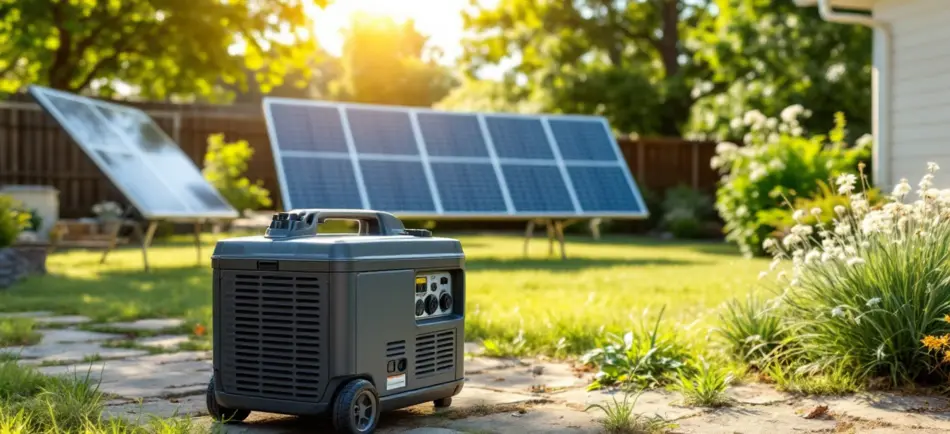
A solar powered generator is a device that converts sunlight into electricity and stores it in a battery for later use. Unlike gas generators, it doesn’t rely on fossil fuels. Instead, it captures free, renewable energy from the sun.
You can think of it like this:
A gas generator is like a car that needs constant refueling to keep moving. A solar powered generator is like a wind-up watch that keeps ticking as long as you give it a bit of sunlight.
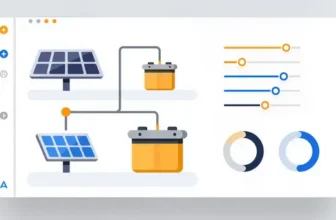
These generators typically include:
- Solar panels to collect sunlight
- A battery to store the energy
- An inverter to convert energy to usable electricity
- Ports to plug in your devices or appliances
Solar powered generators are perfect for powering small to medium devices like phones, laptops, lights, mini-fridges, medical equipment, and even some power tools.
Why Solar Powered Generators Outperform Gas Generators
Here are the main reasons beginners should consider solar powered generators over gas-powered alternatives:
1. Environmentally Friendly
- No emissions, no air pollution, no carbon footprint while in use.
- Helps reduce reliance on fossil fuels.
- Supports cleaner air and healthier surroundings.
2. Lower Long-Term Costs
- Sunlight is free—no need to buy gasoline ever.
- Minimal maintenance compared to engine-powered generators.
- Significant savings over the product’s lifespan.
3. Safety First
- No risk of carbon monoxide poisoning.
- No flammable fuel storage needed.
- Reduced risk of fire hazards.
4. Quiet Operation
- Operates silently—perfect for camping, RVs, or residential neighborhoods.
- No loud engines disturbing your peace.
5. Convenient and User-Friendly
- Simple setup with minimal moving parts.
- Lightweight, portable options available.
- Can charge devices directly via USB or AC outlets.
How Solar Powered Generators Work (Without Overthinking It)
Using a solar powered generator is refreshingly simple. Here’s the usual flow:
Step 1: Position Solar Panels
Place the panels in direct sunlight. Angle them properly to maximize sun exposure.
Step 2: Charge the Battery
The panels collect solar energy, which is stored in the generator’s battery.
Step 3: Plug In Your Devices
Use the AC, DC, or USB ports to power or charge your electronics.
Step 4: Recharge As Needed
Keep panels in the sun to maintain a charge or recharge after usage.
Common Mistakes to Avoid:
- Placing panels in shaded areas reduces charging efficiency.
- Overloading the generator beyond its wattage capacity.
- Forgetting to check battery levels before heading off-grid.
Things You Should Consider Before Choosing a Solar Powered Generator
Before making a purchase, there are a few points to keep in mind:
Battery Capacity
Look at how much power it can store and deliver. Larger capacity means you can run bigger appliances.
Portability
If you plan to use it for camping or emergencies, weight and size matter.
Charging Time
Some models charge faster than others. Consider your typical usage needs.
Weather Dependence
Solar powered generators perform best in sunny conditions. Keep expectations realistic for cloudy days.
Safety Tips:
- Always follow manufacturer guidelines.
- Keep panels and ports clean for optimal efficiency.
- Use in well-ventilated, dry spaces to protect electronic components.
Common Use Cases: Solar Powered Generators in Action
Home Backup Power:
During a power outage, solar generators can keep essentials like lights, medical devices, and refrigerators running without dangerous fumes.
Outdoor Adventures:
Campers, RV travelers, and off-grid enthusiasts love solar powered generators for their quiet operation and endless power supply.
Cost vs. Value: Are Solar Powered Generators Worth It?
Upfront Costs:
Solar powered generators range from $300 for basic models to $3,000+ for higher-capacity units.
Ongoing Costs:
Virtually zero. You won’t be buying gasoline, changing oil, or replacing spark plugs.
Long-Term Value:
Though initial prices can be higher than gas generators, solar powered generators pay off over time through energy savings, fewer repairs, and longer lifespan.
Budget-Friendly Tip:
Look for bundles that include solar panels and consider refurbished models from reputable sellers.
Expert Tips for Getting the Most Out of Your Solar Generator
- Size Matters:
Match the generator’s capacity to your actual power needs. Overspending on excess wattage is unnecessary. - Use Energy Wisely:
Prioritize essential devices first. Don’t drain your battery running non-essentials. - Keep It Clean:
Dirt and dust on solar panels can cut efficiency by up to 25%. Wipe them down regularly. - Portable Panels are Your Friend:
Invest in foldable or briefcase-style panels for easier transport and setup. - Check Local Incentives:
Some regions offer rebates or tax credits for solar-powered devices.
Frequently Asked Question
Q: Can a solar powered generator replace my gas generator entirely?
For small to medium power needs, yes. For heavy-duty, whole-house power, you may need multiple units or a larger solar system.
Q: How long do solar powered generators last?
Most units last 10-15 years with proper care. Battery performance may degrade slightly over time but remains functional.
Q: What happens when there’s no sun?
The generator runs off stored energy in the battery. However, extended cloudy days will reduce recharge rates.
Q: Are solar powered generators weatherproof?
Most are built to handle outdoor conditions, but always check product specifications. Panels are usually weather-resistant, but the generator itself should stay dry.
Q: Can I run heavy appliances like air conditioners?
Only high-capacity solar generators can handle large appliances. Check wattage ratings carefully before purchase.
Why Consumers Are Making the Switch
Choosing a solar powered generator over a gas generator isn’t just a trend—it’s a practical solution for cleaner energy, lower costs, and a safer environment. The convenience of quiet, maintenance-free operation makes solar an obvious choice for anyone seeking hassle-free backup power.
Think about it: Why depend on noisy, fuel-hungry machines when the sun offers free energy every single day? Whether you’re preparing for emergencies, planning off-grid adventures, or simply want to reduce your carbon footprint, a solar powered generator offers a reliable, smart alternative.
For anyone tired of refueling and dealing with loud, smelly engines, it’s time to reconsider how you power your devices. Isn’t it worth exploring a solution that’s cleaner, safer, and surprisingly simple?
For more on how solar energy supports cleaner, cost-effective power for homes, visit the U.S. Department of Energy’s Solar Power for Your Home guide.