2025 Efficiency Guide

Choosing the Best Solar Panels

Not all panels are created equal. From sleek all-black monocrystalline to budget-friendly polycrystalline, find the perfect match for your roof and budget.

The 3 Main Panel Technologies

The trade-off between efficiency, aesthetics, and price point.

Premium Choice

Monocrystalline

Made from single-crystal silicon. They offer the highest efficiency and a sleek black aesthetic that blends into modern roofs.

  • Highest Efficiency (20%+)
  • Space Efficient
  • Sleek Black Look
Is it worth the cost?
Budget Friendly

Polycrystalline

Made from melted silicon fragments. Instantly recognizable by their blue hue. Lower efficiency but significantly cheaper.

  • Lowest Cost Per Watt
  • Blue "Marble" Look
  • Requires More Roof Space
Compare Pricing
Flexible

Thin-Film

Lightweight and flexible. While generally less efficient, they perform better in high heat and partial shade conditions.

  • Best Heat Tolerance
  • Flexible Installation
  • Lower Efficiency (15-17%)
Best Use Cases

Daily Production Estimator

How much power will your roof actually generate? Input your system details below.

Watts

Modern residential panels are 350W - 420W

Hrs/Day
Daily Production
17.3
kWh / Day
System Size
4.8 kW

Frequently Asked Questions

Expert answers on durability, weather, and maintenance.

Do solar panels work on cloudy days?

Yes, but efficiency drops. Solar panels use visible light, not heat, to generate electricity. On a heavily overcast day, production might drop to 10-25% of peak capacity. However, the "edge of cloud" effect can sometimes cause temporary spikes in production.

Can panels withstand hail?

Most Tier-1 solar panels are tested to withstand golf-ball-sized hail (1 inch diameter) traveling at 50 mph. They are built with tempered glass designed for impact. While extreme storms can cause damage, standard panels are incredibly durable.

What is panel "Degradation Rate"?

All electronics degrade over time. Solar panels typically lose about 0.5% efficiency per year. This means after 25 years, your panels should still be producing about 85-90% of their original power output.

Latest Articles in Solar Outdoor Lighting

Solar Wall-Mounted Lights Illuminating Entrances and Walls
Winterizing Solar Garden Lights for Longevity
Cleaning Solar Garden Light Panels for Optimal Performance
Solar Pathway Lights: Guiding Your Way Safely at Night
Solar Garden Light Maintenance Planner
Why Solar Powered Garden Lights Are a Smart Choice for Your Outdoor Space
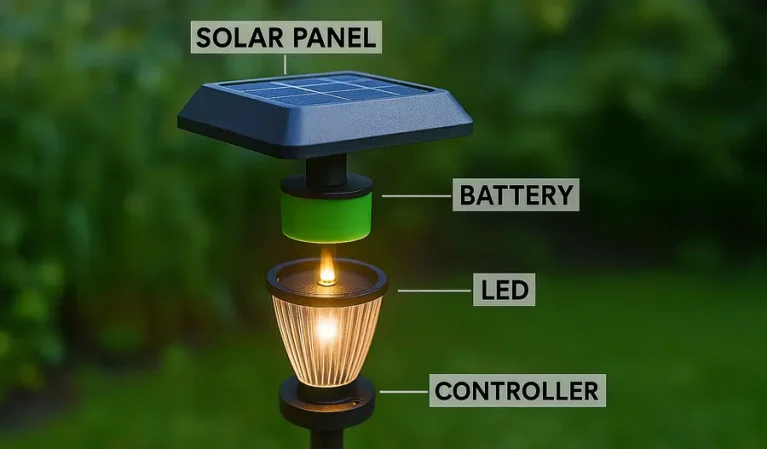
Solar Garden Light Components Explained: Powering Outdoor Spaces Naturally
How Solar Cells in Garden Lights Work: Understanding the Photovoltaic Effect
error: Content is protected !!
NASAWEB
Logo