Store the sun's energy for cloudy days and power outages with reliable solar battery storage. Everything you need to know about choosing, sizing, and maintaining a solar battery storage system.
Before buying, you need to understand the terminology. The two most critical factors are DoD and Round-Trip Efficiency.
Depth of Discharge (DoD)
How much energy you can drain before recharging. A battery with 90% DoD allows you to use more of its stored energy than one with 50% DoD.
Cycle Life
One "cycle" is a full drain and recharge. While Lead-Acid lasts 500-1000 cycles, LiFePO4 can last 5000+ cycles.
Quick Comparison
Feature
Lead-Acid
Lithium-Ion
Cost
$
$$$
Lifespan
3-7 Years
10-15 Years
Weight
Heavy (Bulky)
Light (Compact)
Maintenance
Regular Water/Check
Zero
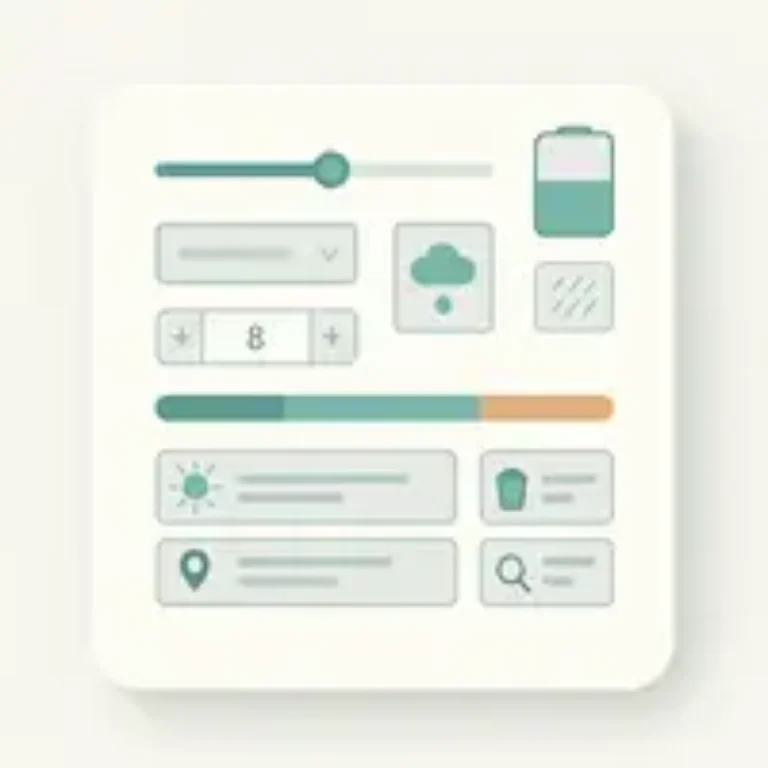
Backup Power Estimator
How long will your battery last during a blackout? Enter your battery size and average load to find out.
kWh
Standard Tesla Powerwall is ~13.5 kWh
Watts
Estimated Runtime
18.0
Hours
*Estimates assume constant load and typical inverter efficiency of 90%.
Frequently Asked Questions
Common questions about installation, lifespan, and compatibility.
Are solar batteries worth it without subsidies?
It depends heavily on your local electricity rates. If your utility company uses Time-of-Use (TOU) rates (where electricity is expensive in the evening), a battery can save you money by storing cheap afternoon solar energy to use at night. Without TOU rates or tax incentives (like the 30% Federal Tax Credit), the financial ROI is longer, typically 10-12 years.
Can I add a battery to my existing solar panels?
Yes, this is called "AC Coupling." It involves installing a separate battery inverter next to your existing solar inverter. It is the easiest way to retrofit storage without rewiring your current solar array. While slightly less efficient than DC coupling, it is compatible with almost any existing solar installation.
Can I go off-grid with just one battery?
Likely not. The average American home consumes about 30kWh per day. A standard 10-13kWh battery (like a Powerwall) would only last about 8-10 hours without solar recharging. True off-grid setups usually require 2-3 batteries stacked in parallel and a substantial solar array to ensure you can survive consecutive cloudy days.
What does the warranty actually cover?
Most lithium batteries come with a 10-year warranty. However, check the "Throughput Warranty." This guarantees the battery will retain at least 60-70% of its original capacity after 10 years or a certain amount of energy cycled (e.g., 30MWh). Lead-acid batteries rarely have warranties exceeding 2-3 years.
What happens to the battery when it dies?
Lithium-ion batteries are recyclable, but they cannot be thrown in standard trash. Valuable materials like cobalt, lithium, and nickel can be recovered. Many manufacturers now offer take-back programs, and specialized recycling centers are becoming more common as the industry matures.